Event Management
Virtual Event Follow-Up: Things You Need to Do
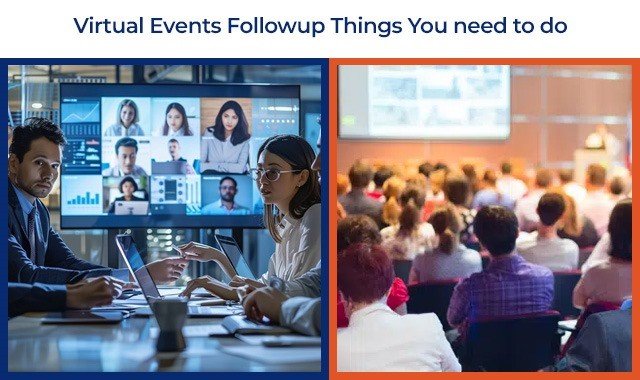
In-person events continue to dominate the event market, but we cannot deny the gaining popularity of virtual events. Virtual events have seen a 500% increase in the last five years. Virtual events have habituated corporations since the pandemic. The primary purpose of virtual events is to educate, inspire, or connect with a wide range of audiences.
The Importance of Virtual Event Follow-up:
- Audience engagement does not end with the event as many attendees will be processing the information. A follow-up is important to solidify the key takeaways.
- Follow-ups lay the foundation for long-term relationships.
- It leverages the real-time momentum about your brand.
- Follow-ups generate more leads, sales and awareness.
Must- Do Steps for Effective Follow-Up
- One of the simplest and most effective way to start your follow-up is by expressing gratitude. Send a Thank You Message to acknowledge their time and effort dedicated to participate in the event.
- Record the sessions and share access to the sessions, keynotes and slide decks. It enhances the event’s value and reach.
- Create a survey with a mix of open-ended and multiple-choice questions. Add a small gift for completing the survey.
- Provide additional resources like whitepapers, eBooks or articles expanding on the session themes to the attendees.
- Engage on social media and extend the life of the virtual event. Spark conversations and connect with the attendees.
- For corporate events, use personalized emails or LinkedIn messages to share the highlights of the event. Prioritize leads and provide value to the event through follow-ups.
- To understand the overall impact of the virtual event, collect data during and after the event. This data will help you to assess the success metrics and areas for improvement.
- A virtual event follow-up is a good opportunity to build deeper connections with the attendees and speakers. A personalized approach will help you stand out from the crowd.
- Virtual events create a ton of opportunities to capture success stories and testimonials. Success stories and testimonials are powerful marketing tools for future events.
- Create a follow-up loop and set the stage for the next event. Try to maintain the audience’s interest by sharing a glimpse of the current events.
- Virtual event follow-ups are an essential strategy for the long-term success of any corporation. We thank the attendees for getting engaged through small activities and across multiple channels.
Tools and Platforms for Streamlined Virtual Event Follow-Ups
Efficient virtual event follow-ups required the right management tools. The right tools and platforms make event organization a breeze. Event organizers use tools to automate communications, analyze attendee and feedback data, and maintain long-term engagement. Email marketing software, feedback tools, CRMs, and social media platforms help the event managers to conclude an event with a high success rate.
- Email Marketing Tools – Use platforms like HubSpot or Mailchimp to craft personalized follow-up emails and automate email sequences.
- Survey and Feedback Tools – Use Google Forms, Typeform, or Survey Monkey to feedback post-event.
- Customer Relationship Management (CRM) tools Tools – like HubSpot CRM, Zoho CRM, or Salesforce will help you track leads and maintain a personalized follow-up approach.
- Social Media Management Tools – Hootsuite and buffer are the leading platforms for social media management.
- Event Analytics Platforms – Tools like Eventbrite or Cvent offers built in analytics to track the attendee behavior management, customer engagement rates, and session popularity during and after the event.
- Content Sharing Platforms – Google Drive, Dropbox or OneDrive are the best tools for sharing event recordings, slide decks and any additional resources conveniently across the team.
- Marketing Automation Tools – Use tools like Marketo to automate multi-channel follow-ups and nurture leads.
- Video Hosting Platforms – Vimeo or YouTube are the best video hosting platforms used extensively to extent the event’s reach and provide value to attendees.
- Scheduling Tools – Use Calendly to make it easy for attendees to schedule follow-up meetings or consultations.
How Do I Send A Follow-up Email After An Event?
Send a follow-up email with a clear subject line with a personalized message and express your gratitude for attending the event. You can also share the event recordings, materials and a feedback survey. These follow-up emails will boost your brand and create loyal customers.
Why Is A Follow-up Strategy Important For Virtual Events?
Follow-up strategies helps to solidify the key takeaways of the event, enhance long-term relationships, increase brand awareness and confirm that the attendees feel valued.
How Can I Track The Success Of My Virtual Event Follow-up?
The success of virtual events is tracked through metrics such as engagement rates, social media interactions (such as likes and shares), survey responses, lead conversions, and audience retention.
SHARE ON