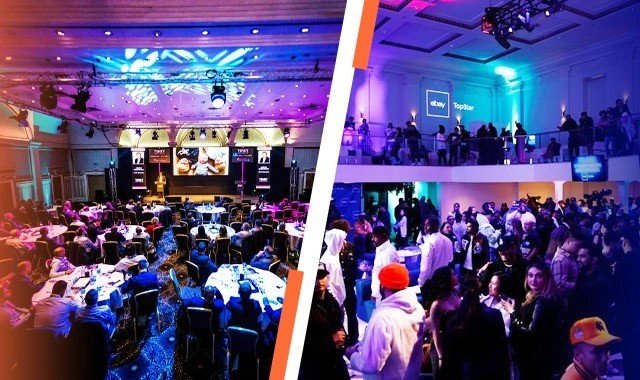
It is not easy to plan and manage an event. This is not just about sending out invitations or preparing a delicious meal. It’s about creating memorable experiences for everyone. We need event management companies for smooth execution of any event. Event planning requires careful coordination of logistics, vendor management and client satisfaction.
What are Corporate Events?
Corporate events are business-related gatherings that are geared toward employees of the host company and other stakeholders like customers and clients. Corporate events are aimed at specific business goals like launching new products, celebrating company achievements, fostering teamwork, and building relationships with clients. Workshops, Product launches, meetings, tradeshows, seminars, conferences, board meetings, and corporate parties are some of the corporate events that are handled well by the event management company.
What are Social Events?
Social events are gatherings organized for celebratory, social and recreational purposes. They aim to enhance connections, celebrate life events and engage in leisure activities. They are often cultural events, family, community or personal events. Weddings, festivals, birthday parties, and festivals are some of the common examples of social events.
Corporate Events vs Social Events
There are fundamental differences between corporate events vs social events. The attendees, purpose, funding and many aspects varies between corporate and social events.
| Factor |
Corporate Events |
Social Events |
| Primary purpose | Business objectives | Personal or social celebration |
| Audience | Employees, clients, partners, stakeholders | Family, friends, community |
| Budget | Usually organization-funded | Usually individually/family funded |
| Venue | Hotels, conference centres, offices, exhibition venues | Homes, banquet halls, hotels, outdoor venues |
| Planning | Structured agenda and business objectives | Personalized planning and celebration |
| Branding | Strong focus on company/brand identity | Personal themes and preferences |
| Technology | AV, registration, hybrid-event technology | Entertainment and event décor technology |
| Success measurement | Attendance, engagement, leads, ROI, feedback | Guest satisfaction and overall experience |
| Examples | Conferences, product launches, MICE, seminars | Birthdays, anniversaries, family celebrations |
| Planning team | Corporate event planner/agency | Social event planner/organizer |
Types of Corporate Events
Corporate events are classified into three types based on size: micro-events, mid-size events, and large-scale events.
Microevents
Corporate events like internal training, general meetings, seminars and conferences fall under micro-events. The event hardly has 100 attendees.
Mid-size Events
The events focusing on up to 1000 attendees fall under the mid-size events category. Company-wide corporate meetings and leadership summits fall under this category, and these events generally require special attention. A complex itinerary planning consisting of venue sourcing, hotel accommodations, transportation, event reception, catering services and team-building activities.
Large-scale Events
Multi-day events such as Partner Events, Fundraiser Events, Annual Stakeholder Meetings, Corporate dinners, or Annual Employee awards are termed large-scale events. These events need enterprise-grade management and latest technoligcal tools for event organization.
These events require excellent event planning with the help of an event management company. There are event planners specialized in Corporate event planning, like MAZE events and experiences.
Goal of Corporate Events
Corporate events tend to have multiple goals. Nevertheless, the main objective of these team activities is still to communicate the company’s strategy, discuss internal issues, announce new product launches, enhance customer interaction or motivate employees.
Teambuilding activities bring the employees together, motivates them to connect with the senior leads in the workforce, bring partners and sponsors together, and finally scale-up business.
Corporate events and social events provide a wealth of networking opportunities. These event-building activities have a positive impact on the business.
The common types of corporate events are
1. Conferences and Seminars
2. Product Launches
3. Shareholder or Board Meetings
4. Felicitations
5. Tradeshows
6. Milestone Achievement Events
7. Corporate Retreats
8. Team Building Events
The Key Roles of a Corporate Event Planner
Budgeting and Financial Management
An Event Planner is responsible for creating and managing the budget. They are responsible for getting the best price for the products and services from the vendors and making the most of the budget.
Venue Sourcing and Booking
The most critical part of an event planner’s job is to find and finalize a venue that aligns well with the vision of the event and fits well within the budget.
Vendor Management & Coordination – make or break an event
Selecting reliable vendors, from florists to entertainment providers, is the responsibility of a corporate event planner. Vendor management requires the best communication, coordination and problem-solving skills.
Marketing and Promotion Activities
Event planners are the key players in marketing events and promoting them to their target audience. They use social media campaigns, engaging media partners and influencer networks for the same.
On-site Event Management
Even though the event is over, the job of an event planner does not end there. The event planner is the person who oversees the execution of every aspect of an event. They should be able to think quickly and adapt to any changes.
Evaluation and reporting post-event
The work of a corporate event planner does not end with the departure of the last guest. He is responsible for a thorough evaluation of the event to determine its success and identify areas for improvement.
Customer Relationship Management and Communication
A strong client relationship is at the core of any successful event. A good event planner is a great communicator. They listen to the client’s needs, offer expert advice, and keep them updated at every stage.
Crisis Management with Creative Solutions
Last-minute issues in events are not new for a corporate event planner. Yes, with years of expertise in corporate event planning, event planners always have a backup plan and a positive attitude to manage things and find a solution.
The Social Event Planner
Social event planners are professionals who are specialized in coordinating and organizing various gatherings, from small personal celebrations to large
community events. Some of the key responsibilities are
- Client consultation and planning of the event
- Helping clients stick to a predetermined budget.
- Sourcing the perfect venue for the event.
- Coordinating with a trusted network of vendors.
- Managing the logistics and any unforeseen issues on the event day.
- Day-of-event coordination
- Post-event responsibilities and collection of feedback.
Corporate events and social events require an event management company to ensure that their plan is in place. Statistics show that 93% of event organizers have confirmed that event planners have helped them to a grand success. So, if you are looking for an event organizer for your corporate event or social event, you know whom to connect with.
What is the difference between corporate events and social events?
Corporate events are organized primarily for business objectives such as networking, training, employee engagement, product launches or brand promotion. Social events focus on personal, family or community celebrations and social interaction.
What are examples of corporate events?
Common corporate events include conferences, seminars, product launches, trade shows, exhibitions, annual meetings, team-building events, employee celebrations, dealer meets, award ceremonies and MICE events.
What are examples of social events?
Social events commonly include birthdays, anniversaries, family gatherings, reunions, private parties, community celebrations and other personal or social occasions.
Who typically attends a corporate event?
Corporate events may include employees, executives, clients, customers, business partners, investors, suppliers, industry professionals and other stakeholders, depending on the event objective.
Who typically attends a social event?
Social events generally include family members, friends, relatives, community members or other invited guests connected to the host or occasion.
Are corporate events usually more formal than social events?
Corporate events generally follow a structured agenda and may require formal presentations, branding, registration and business protocols. Social events are usually more personalized and flexible, although the level of formality depends on the occasion.
How is the budget different for corporate and social events?
Corporate event budgets are generally planned around business objectives, attendee numbers, venue, production, technology, branding and other operational requirements. Social-event budgets depend on the occasion, guest count, venue, décor, catering and entertainment.
What does a corporate event management company do?
A corporate event management company can handle event strategy, budgeting, venue selection, vendor coordination, production, branding, guest management, logistics, on-site execution and post-event evaluation.
Can an event management company organize both corporate and social events?
Yes. Some event management companies provide services for both corporate and social events. However, the planning approach, audience requirements, event objectives and execution priorities can differ between the two formats.
How do you choose between a corporate event planner and a social event planner?
Choose based on the event's objective and requirements. Corporate events may require expertise in business conferences, product launches, MICE, exhibitions, branding and stakeholder management, while social events may require greater focus on personalization, décor, entertainment and guest experience.